There’s something about September that changes the way I want to drink wine.
A few weeks ago, I was happily drinking chilled whites and rosé, preferably outside and with something relatively light to eat. Now the evenings are getting shorter, there’s a definite chill in the air and I’m starting to think about roast dinners, cheese and a decent glass of red.
But is it just me? Well, yes. Probably a bit.
But there are also some good reasons why the wine we enjoy can change as the seasons do.
Temperature matters
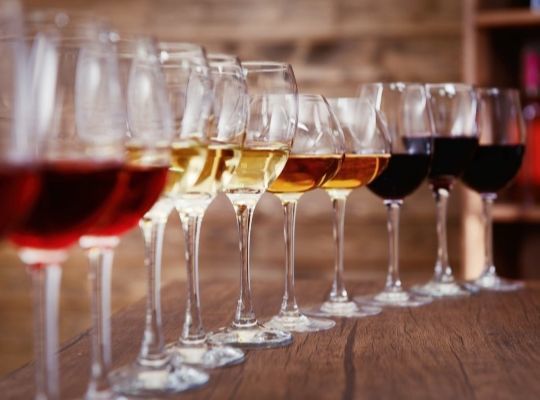
One of the simplest things that changes how a wine tastes is temperature. Serve a white wine too cold and you can lose some of its aroma and flavour. The acidity can also seem sharper. Warm it up a little and suddenly more of the fruit and texture start to show.
The same applies to red wine.
We’re often told that red wine should be served at room temperature, but if your room is 22°C, that's probably warmer than you want it. A slightly cooler red can taste fresher and more balanced, while a warm one can seem more alcoholic and heavy.
So as we move into September, it’s worth thinking about how you’re actually serving your wine rather than just following the usual rules.
What we're eating changes too
I think this is probably one of the biggest reasons our wine habits change. Summer food tends to be lighter; salads, tomatoes, grilled fish, fresh cheeses, barbecues. And those foods work brilliantly with wines that are fresh, crisp and refreshing.
Then autumn arrives and suddenly we're eating things that are richer and more savoury; Roast chicken. Sausages. Slow-cooked meat. Gravy.
And those foods tend to make us want wines with a bit more weight and texture.
The wine hasn't necessarily changed. The context has. And context has a huge effect on how we experience wine.
We have expectations about seasons too
There’s also something psychological going on. We associate certain wines with certain times of year. Rosé = summer. Big red = winter. Sparkling wine = celebration. Port = Christmas.
None of these are rules, of course. I'll happily drink rosé in December and Champagne on a Tuesday afternoon.
But those associations are still there. If you're sitting in the sunshine with a cold glass of Sauvignon Blanc, you're probably going to experience it differently from drinking the same wine on a dark November evening with a bowl of something warming. Our surroundings, expectations and even our mood all become part of the tasting experience.
So what should you drink in September?
I wouldn't worry too much about following a seasonal wine list. Instead, think about what you're eating and what you actually want from the wine. If you want something fresh and refreshing, look for wines with good acidity. If you're cooking something richer, try something with more body and texture.
If you're ready for red but don't want to jump straight into something big and powerful, Pinot Noir, Gamay or Cabernet Franc can be great choices. And if you're still enjoying summer, there's absolutely no reason you can't carry on drinking rosé.
September doesn't mean summer has to end in your glass.
For me, it's more about that lovely point in the year where the possibilities start to change. A few more comforting foods. A few more substantial wines. And, inevitably, a few more bottles opened in the name of research.
That's one of the things I love about wine.
The more you understand about it, the less you need to follow the rules.
Ready to understand what's in your glass? Join me in the classroom this Autumn!