Next Thursday, 19 November, the shelves fill with bottles of Beaujolais Nouveau, released just weeks after harvest. It’s fun, fruity and made to be drunk young. But if that’s all you know of Beaujolais, you’re missing one of France’s best-value wine regions.
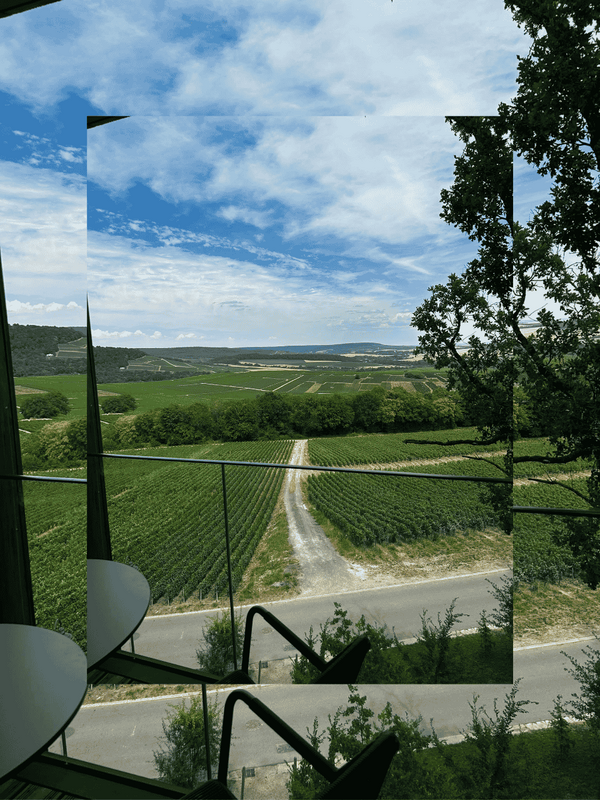
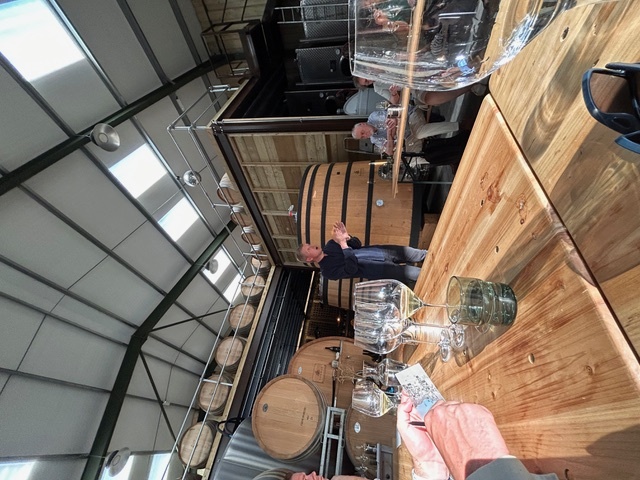
A few weeks ago, I visited Beaujolais, and the quality of the wines I tasted blew me away. Pure, vibrant and nothing like the stereotype.
Gamay at its best
Beyond the Nouveau circus, Beaujolais is home to Gamay, a grape that makes light, juicy reds with vivid red fruit, floral lift and a freshness that rivals the purity of some of northern Burgundy’s finest Pinot Noir. Serve them with a slight chill and you’ll see why sommeliers love them.
The ten crus
The real treasure sits in the hills in the north of the region, where ten villages have earned their own cru status. Granite soils give these wines a depth and character that simple Beaujolais labels rarely match:
- Saint-Amour: soft, charming and floral, a favourite for Valentine’s Day
- Juliénas: ripe and spicy, with more structure
- Chénas: the smallest cru, perfumed and elegant
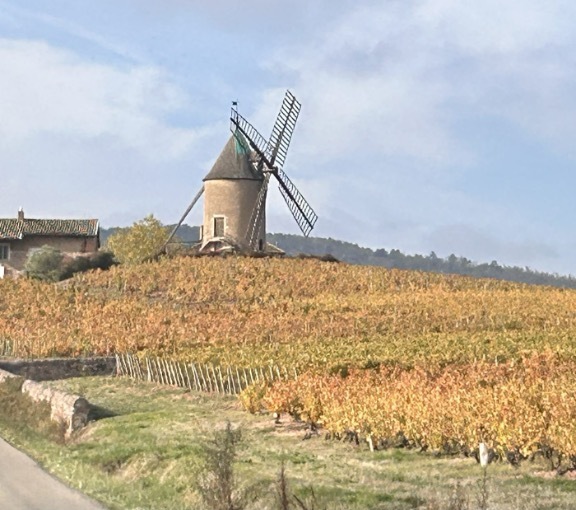
- Moulin-à-Vent: powerful and age-worthy, often called the “King of Beaujolais”
- Fleurie: silky and aromatic, the most graceful of the ten
- Chiroubles: light, bright and high-altitude fresh
- Morgon: dark-fruited and earthy, built to last
- Régnié: juicy and approachable, with red berry charm
- Côte de Brouilly: mineral and concentrated, from steep volcanic slopes
- Brouilly: the largest cru, fruity and easy to love
Beaujolais Blanc: the surprise
Here’s something many wine lovers don’t know. Beaujolais isn’t only red. Several producers make Chardonnay under the Beaujolais Blanc name, which makes sense when you remember the region sits right next to the white wine heartland of Mâcon. On my visit I tasted whites with real freshness and finesse, and they deserve far more attention than they get.
Don’t write off age
The best crus reward patience. Five to six years in bottle brings savoury, earthy complexity, and I was lucky enough to see just how far that can go. At Château Thivin in Côte de Brouilly, I tasted the 2025 alongside the 1999, the same estate and the same hillside, 26 years apart.
The 1999 was still very much alive, and showed remarkable complexity for a wine many people dismiss as simple and fruity. It was proof that the best Beaujolais ages gracefully, much like fine Burgundy.
Choose with care
There’s a catch. Much of the Beaujolais on supermarket shelves comes from a handful of large négociants who buy grapes from across the whole region and blend them into a consistent, commercial style. Nothing wrong with that, but you won’t taste the village, the soil or the person behind the wine.
Look instead for independent growers who farm their own vines and bottle a single village or vineyard. The label will often name the producer and the cru clearly. A good independent wine merchant is the best guide, and many of these bottles cost less than a basic village Burgundy.
Next Thursday and beyond
Raise a glass of Nouveau on the 19th by all means. Then pick up a bottle of cru Beaujolais from a small grower and taste the difference. You may never look at Beaujolais the same way again.